Hanoi neighbourhood guide
Hai Ba Trung, Hanoi: The Coffee Street, the Temple and the Mall the Old Quarter Doesn't Have
South of the French Quarter's villas, Hai Ba Trung trades postcard Hanoi for a working district of century-old cafes, a Trung sisters' temple and a park the locals actually use.
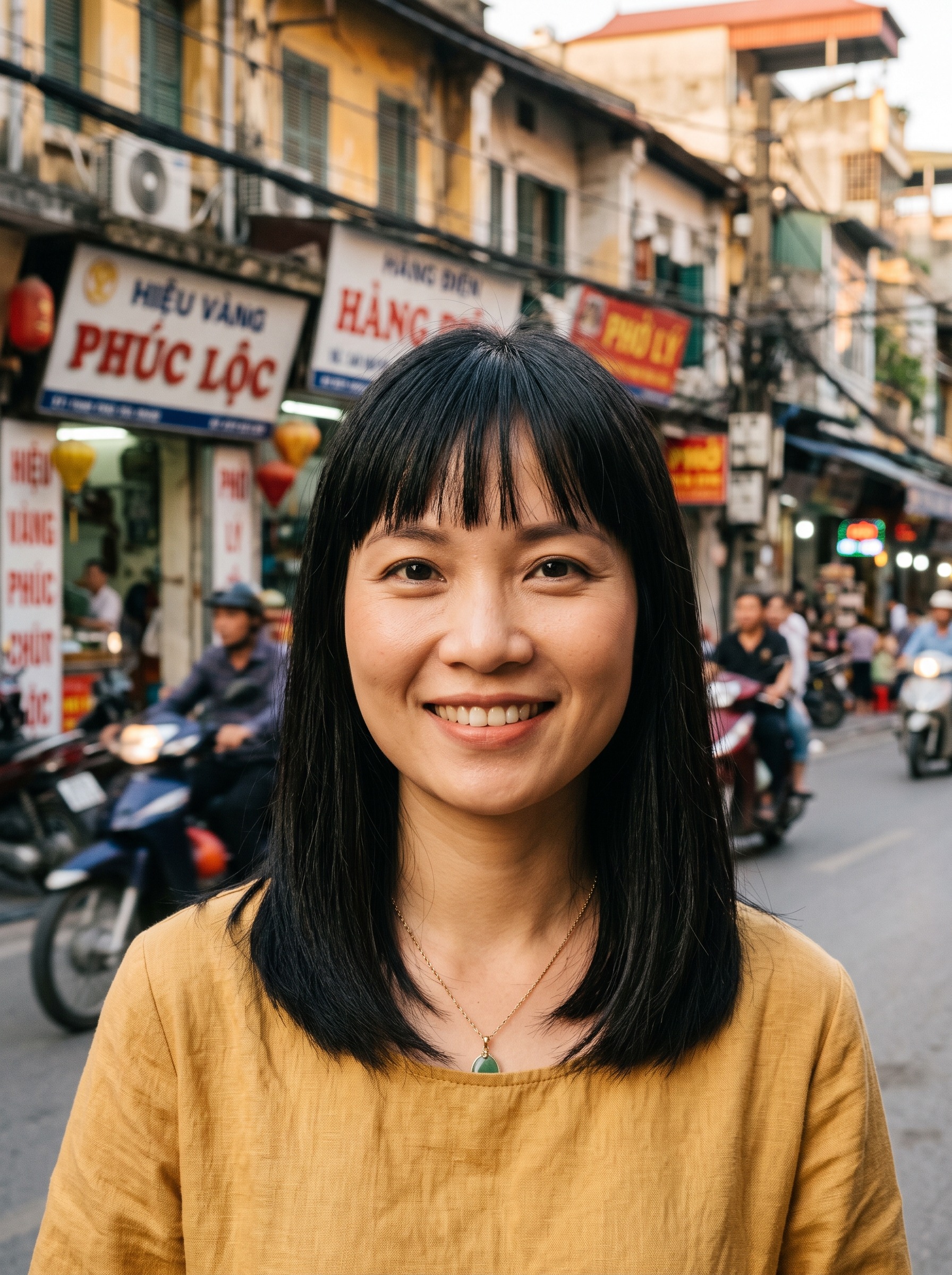
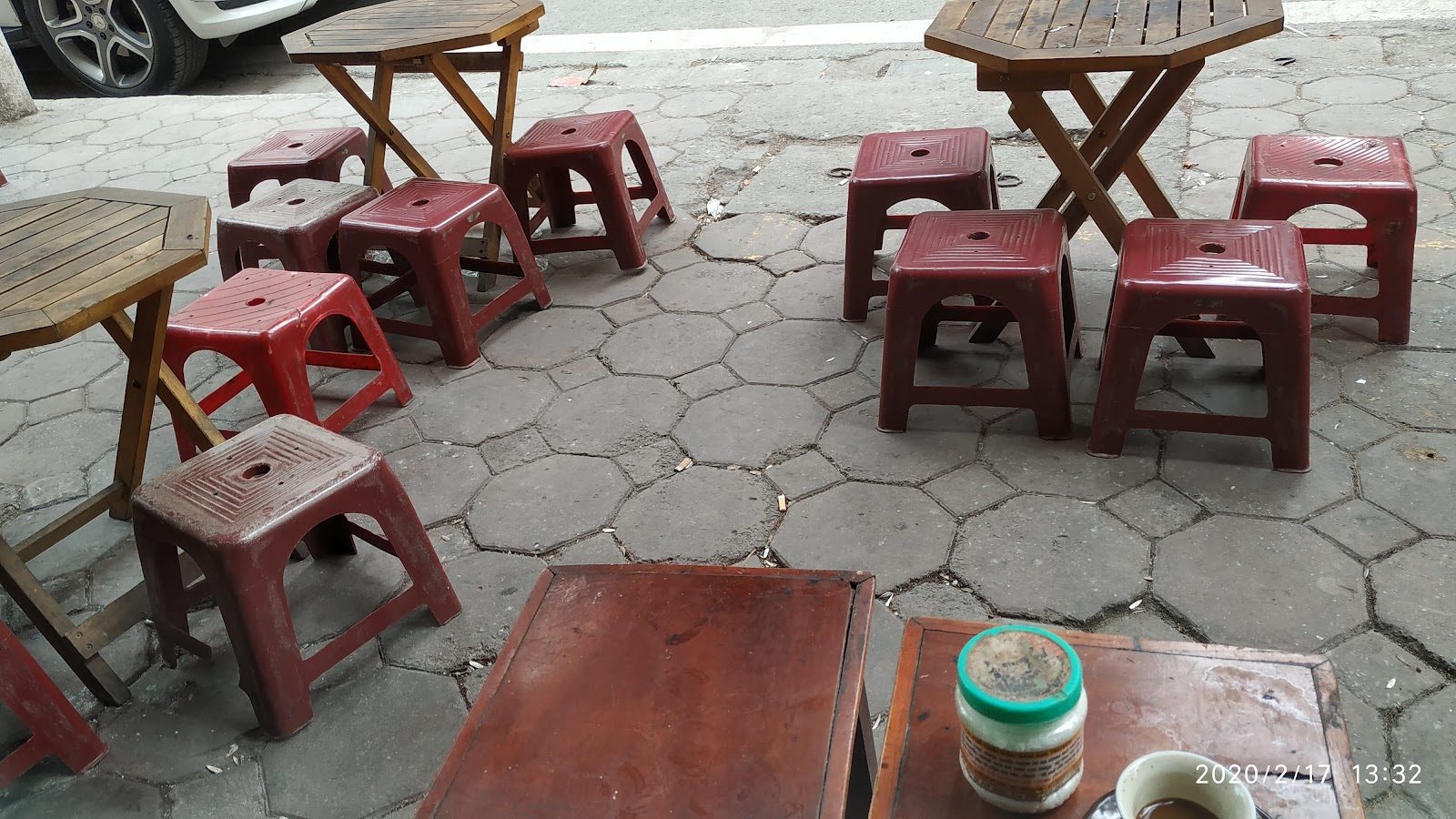
Hai Ba Trung starts, more or less, where the French Quarter's grand villas stop looking quite so grand. South past Tran Xuan Soan, Lo Duc and Ngo Thi Nham, the streets keep the same tree-lined grid Hoan Kiem is famous for, just a few degrees quieter and a few dong cheaper. From there the district runs a full three kilometres south, from a coffee street shaded by almond trees down to a Vingroup mega-mall wrapped around an aquarium. It carries the name of the Trung sisters, the first-century heroines who led Vietnam's first recorded rebellion against Chinese rule, and it does not perform that history — or anything else — for visitors. Nobody here is selling you an authentic experience. Someone is just running the coffee shop their great-grandfather opened, or pulling a beer for a table of regulars on a Friday night, and that unbothered ordinariness is the whole reason to come.
What Hai Ba Trung is known for
The name itself is the first fact worth knowing: Trung Trac and Trung Nhi, sisters who in the year 40 AD led an uprising against Chinese rule that briefly won Vietnam its independence, are honoured across the district and especially at Dong Nhan Temple on Huong Vien Street, first built in 1142. But ask a Hanoian what Hai Ba Trung is known for today and the answer shifts to the practical: Cho Hom market, the Vincom Center tower on Ba Trieu, and above all Trieu Viet Vuong, the city's densest run of coffee shops. This is Hanoi's working commercial spine rather than its museum piece — a district defined less by any single monument than by the accumulation of ordinary, well-run businesses that have simply been at it a long time. That's the throughline from the temple to the coffee counters: longevity, not spectacle.
Where to eat and drink
The signature move here is a slow morning on Trieu Viet Vuong, known across the city simply as Coffee Street — a stretch shaded by almond trees where cafes sit side by side from one end to the other, decades-old family shops mixed in with modern chains, so that you can work your way down the block sampling a different decade each time. Start at Cafe Thai, at 27 Trieu Viet Vuong: a wood-fire roaster dating to 1926, still run by the fourth generation of the same family, which makes it less a cafe than a small dynasty that happens to serve coffee.
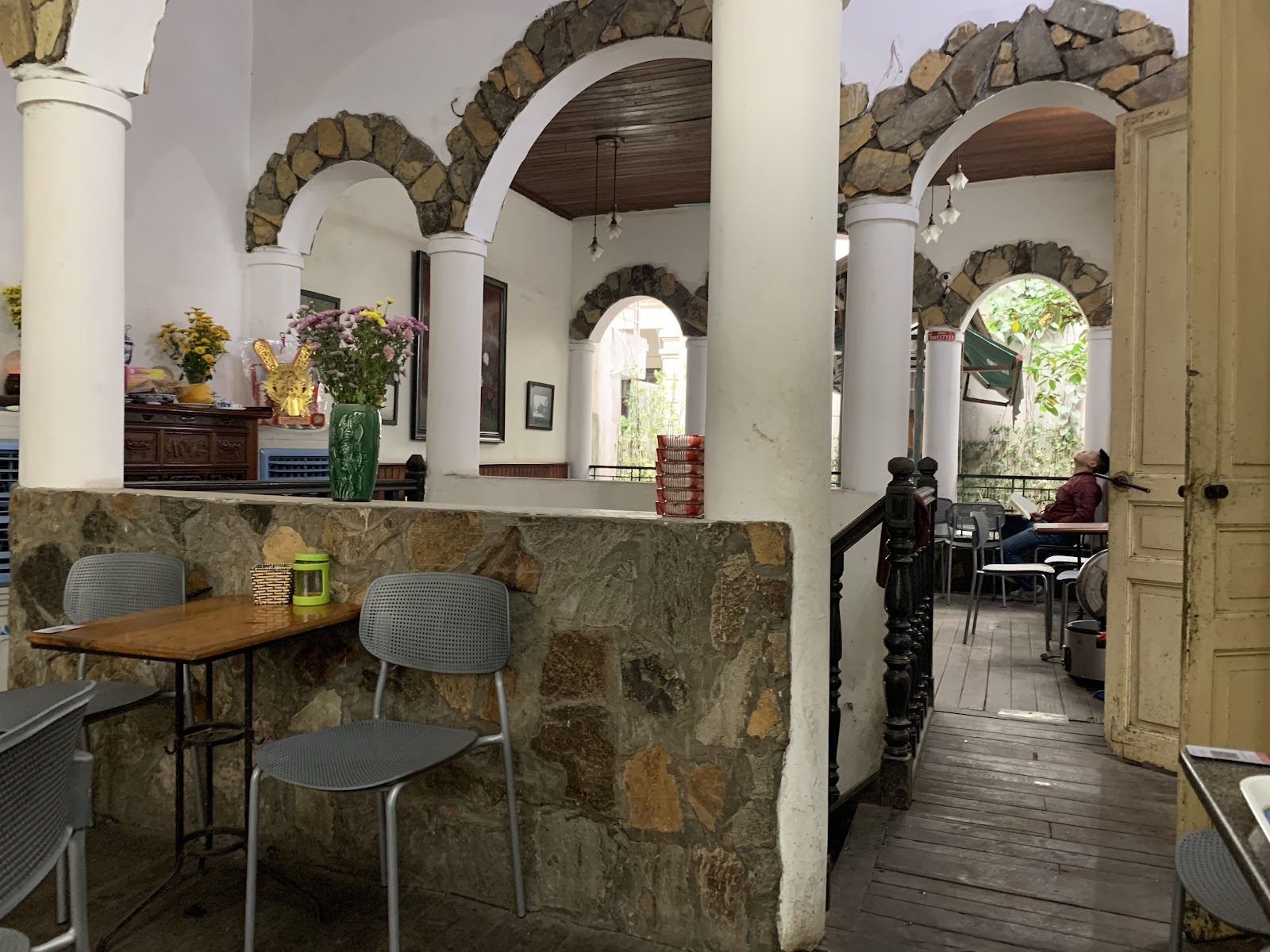
A few doors on there's Cafe Tho, three decades old and unapologetically old-school — strong, sidewalk, no pretension, the kind of place where the plastic stools have earned their scuffs. Between the two of them you get the range of Trieu Viet Vuong in a single morning: the polish of a century-old institution and the no-frills grind of a neighbourhood regular's spot.
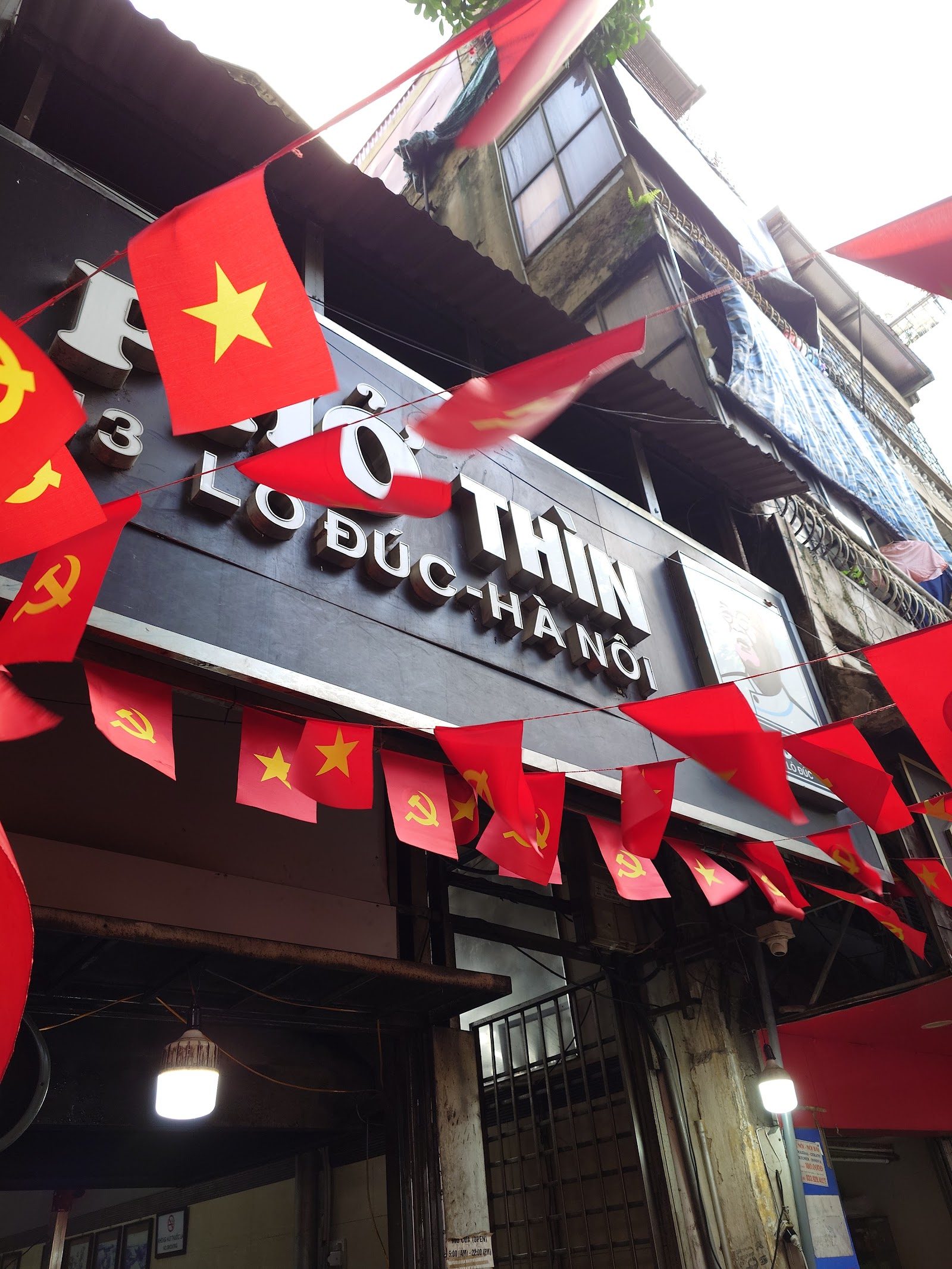
For food, the pull is Pho Thin at 13 Lo Duc, on the French Quarter's southern edge — family-run since 1979 and serving exactly one dish, a stir-fried beef pho tai lan that's become its own small pilgrimage for pho purists who've already done the more famous branches elsewhere in the city. It's the kind of single-dish confidence that only a restaurant with over four decades of repetition behind it can afford.
Nightlife
This isn't a bar-crawl district, and it isn't trying to be — the after-dark scene runs to beer gardens and pubs rather than clubs, and the whole neighbourhood winds down earlier than the Old Quarter does. The standout is Hoa Vien Brauhaus at 1A Tang Bat Ho, a genuinely large Czech-style brewery and beer hall — over 1,200 square metres of it — that's been pouring house-brewed draught since 2007. It's the sort of place where a table can sprawl across several hours without anyone hurrying you along, long tables built for groups and a menu built around the beer rather than around cocktails.
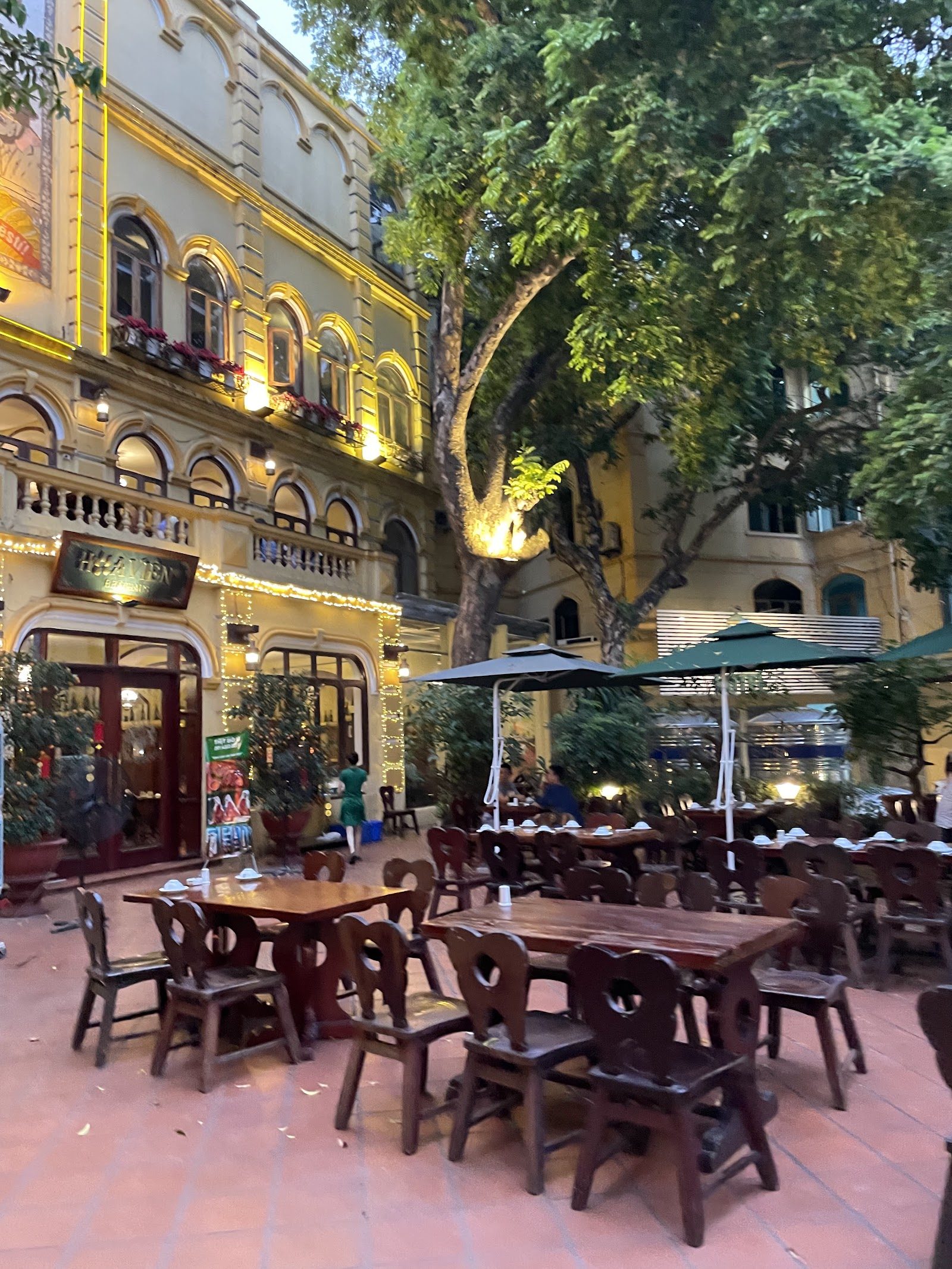
Over on Le Dai Hanh, Tu Do Pub does something similar in a landmark yellow building that's hard to miss — a 350-capacity beer hall that's become the default for big groups who want volume and space rather than intimacy. Between the two of them, Hai Ba Trung's nightlife makes its case honestly: it's not going to out-party the Old Quarter, and it isn't trying to.
Things to do
Start, as the district's own history suggests you should, at Dong Nhan Temple on Huong Vien Street — the oldest and most significant site here, built in 1142 to honour the Trung sisters and elevated to Special National Relic status in 2020 along with its adjoining pagoda and communal house. It's a working shrine rather than a polished tourist stop, incense smoke drifting over worshippers going about an ordinary Tuesday rather than posing for anyone's camera, which is exactly what makes it worth the detour.
For something more restorative, Thong Nhat Park and its Bay Mau Lake cover fifty hectares in the middle of the district — paddle boats on the water, a genuinely photogenic island, and a dawn crowd of tai chi practitioners who've been showing up long before any guidebook noticed. It's less a sight to tick off than a place to slow down inside, the way locals actually use it.
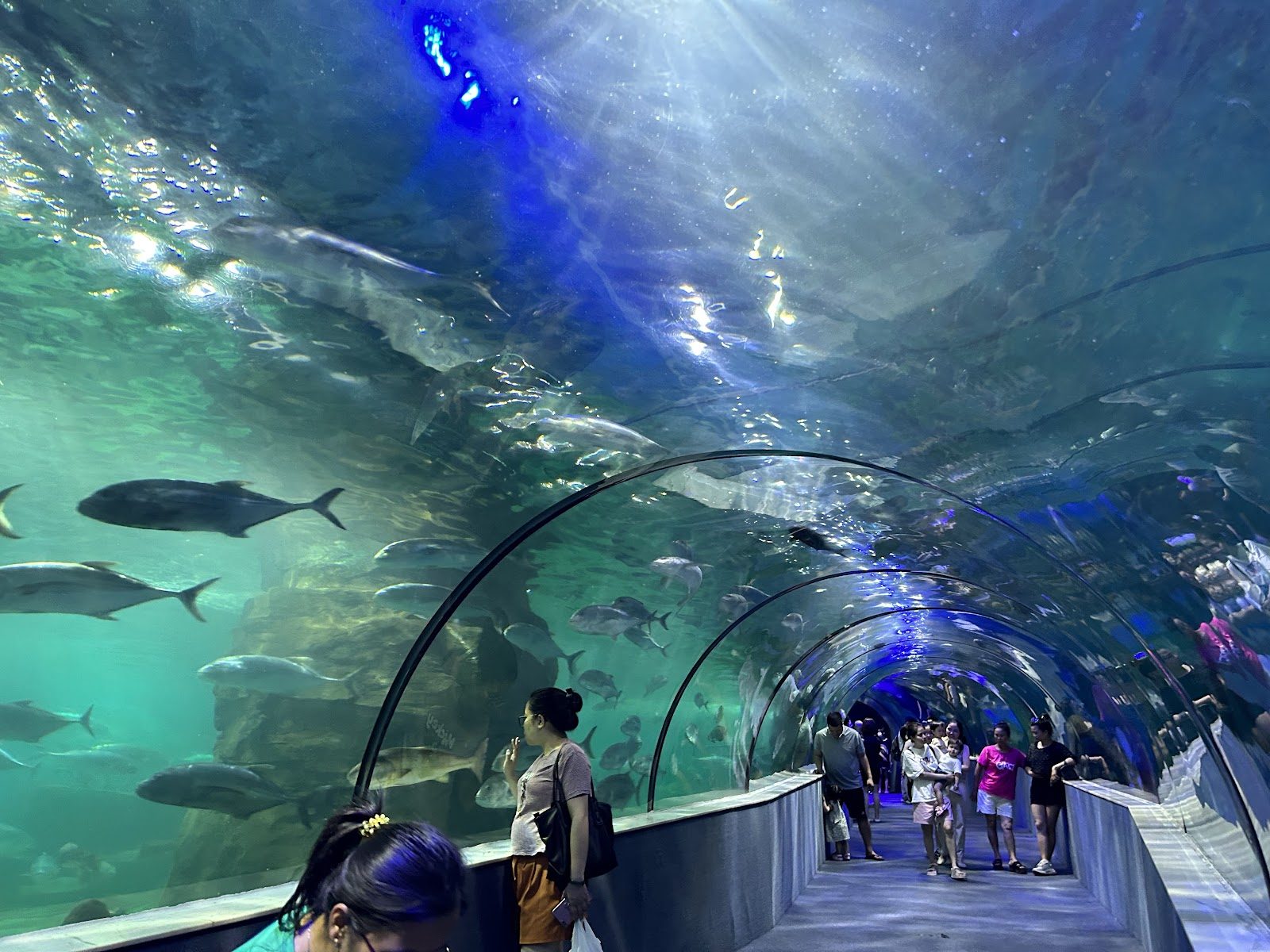
And for the district's other register entirely, there's the Vinpearl Aquarium and VinKE inside the Vinhomes Times City complex to the south — a large indoor aquarium paired with a kids' amusement centre, the sort of air-conditioned, thoroughly modern attraction that has nothing to do with temples or coffee shops and everything to do with why families choose to base themselves down here for longer stretches.
Don’t miss in Hai Ba Trung
Thong Nhat Park, a massive green space built by locals in the 1960s.
The intense street food scene along Tue Tinh Street.
Hom Market, excellent for textiles and local produce.
Shopping
Ba Trieu and Pho Hue are the district's two big commercial spines, and between them they cover most of what a visitor might need. Vincom Center Ba Trieu, a 21-storey tower on Ba Trieu Street about two kilometres from Hoan Kiem Lake, packs in international and domestic fashion brands, a food court, sit-down restaurants and a CGV cinema — the reliable, air-conditioned option when the heat or the rain makes the street markets less appealing.
For the other end of the shopping spectrum, Cho Hom market is where ordinary Hanoians actually do their buying — fabric, household goods, produce, the unglamorous daily commerce that a mall tower will never replicate. Put the two side by side and you get the district's honest range: glass-and-steel convenience a short walk from a market that's been operating on its own terms for generations.
Where to stay in Hai Ba Trung
The streets nearest the French Quarter border — around Trieu Viet Vuong, Ngo Thi Nham, Lo Duc and Ba Trieu — are the pick for most visitors. You're close enough to walk into Hoan Kiem's sights in twenty to twenty-five minutes, but priced and paced a notch below the tourist core, with the coffee-street scene and Cho Hom market on your doorstep instead of a wall of souvenir shops. Further south, toward Times City, the district shifts register entirely — this is where longer stays and families do better, trading the walkable villa streets for a self-contained mall-and-park routine built around Vinpearl Aquarium and Thong Nhat Park rather than a temple crawl. It's not a base for anyone chasing a lake view or colonial-hotel glamour, but for a quieter, cheaper version of French Quarter walkability, or for a stay long enough to actually use a park and a mall, it's a strong option either way.
Where to stay here
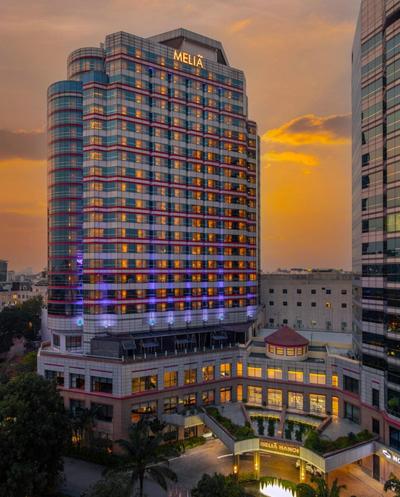
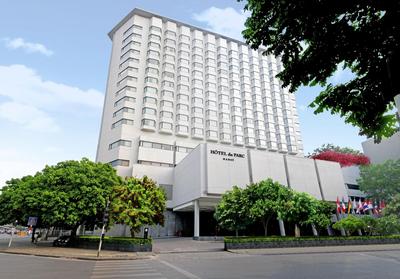
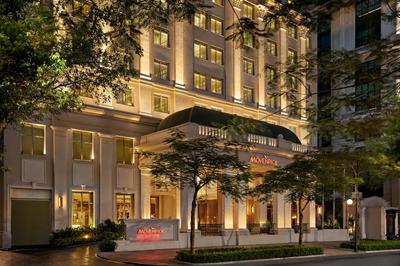
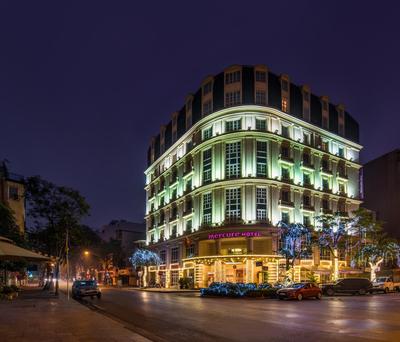
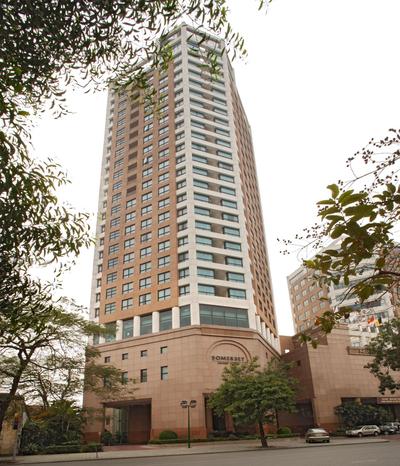
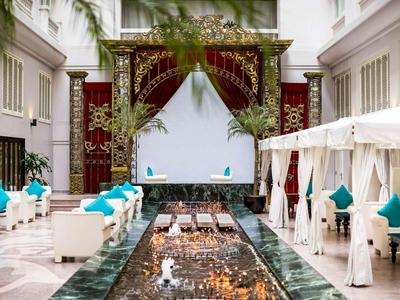
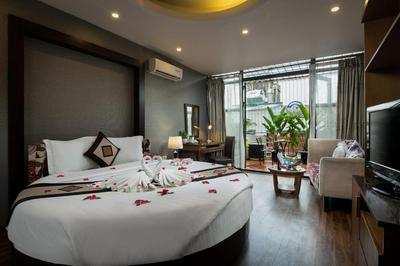
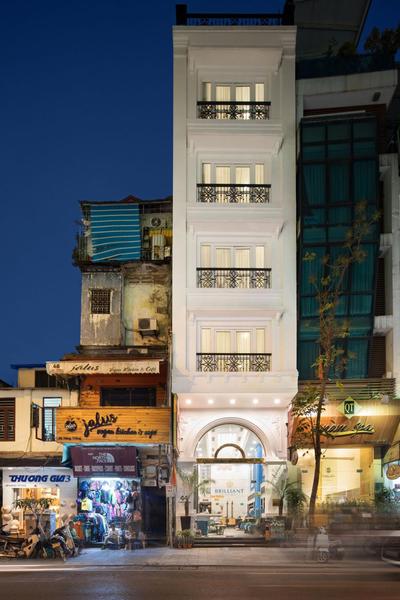
Hotels in Hai Ba Trung
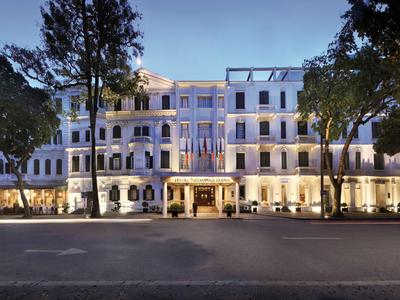
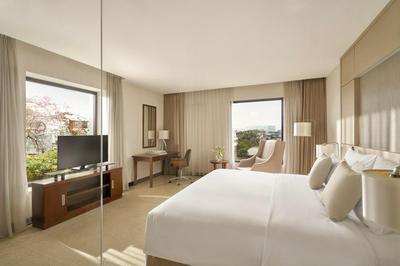
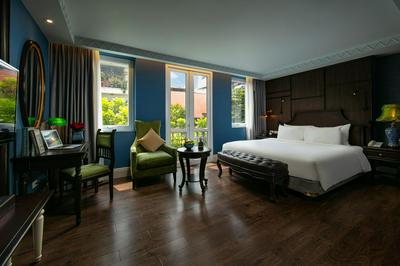
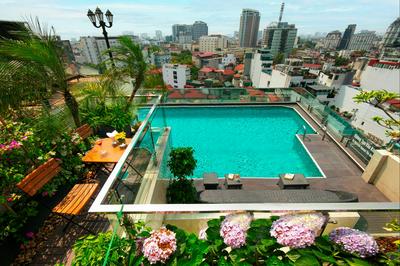
Our best-rated stays in this neighbourhood. Prices are approximate “from” rates — confirmed at the provider when you continue. We may earn a commission if you book through our partners — at no extra cost to you.
 In this area
 In this area
 In this area
 In this area
 In this area
 In this area
 In this area
 In this area
 In this area
 In this area
 In this area
 In this area
Getting around
Hai Ba Trung has no metro station of its own — both of Hanoi's current lines, Cat Linh–Ha Dong and the Nhon–Hanoi Station line, run through other parts of the city, so getting around here means walking, city buses, or taxi and Grab. The northern wards are genuinely walkable: Trieu Viet Vuong, Lo Duc and the streets around them sit close enough together, and close enough to Hoan Kiem, that a car is rarely necessary for a morning's coffee crawl or an evening at Hoa Vien Brauhaus. Further south, toward Times City and the aquarium, distances stretch out and the walking calculus changes — a taxi or Grab is the practical choice, with journeys to and from the airport running roughly forty to fifty minutes depending on where in the district you start. It's not a district built around a station the way parts of the Old Quarter now are around Cat Linh–Ha Dong; it's a district built around its own streets, and it moves at the pace those streets set.
Good to know
Hai Ba Trung — your questions
Is Hai Ba Trung a good area to stay in Hanoi?
The northern part, around Trieu Viet Vuong and Ba Trieu, is a solid pick if you want French Quarter walkability at a lower price and quieter streets — it's a 20-25 minute walk from Hoan Kiem Lake. The southern wards, around Times City, are better suited to longer or family stays than a short city break.
What is Hai Ba Trung known for?
It's named after the Trung sisters, first-century heroines honoured at the 12th-century Dong Nhan Temple, but today the district is best known as Hanoi's commercial and working heart — Cho Hom market, Vincom Center Ba Trieu, and Trieu Viet Vuong, the city's densest strip of coffee shops.
Is there a metro station in Hai Ba Trung?
No — neither of Hanoi's current metro lines (Cat Linh–Ha Dong or the Nhon–Hanoi Station line) runs through the district. Getting around means walking, buses, or taxi/Grab.
How far is Hai Ba Trung from Hoan Kiem Lake?
The northern streets, like Trieu Viet Vuong and Lo Duc, are about a 20-25 minute walk or a short Grab ride from the lake. The southern end of the district, toward Times City, is roughly a 15-minute drive.
Gallery